Carry-On vs. Checked Luggage: What Goes Where?
01 — Carry-On vs. Checked Luggage: The Basics
*Affiliate Disclosure:
Some of the links below are affiliate links. If you purchase through one of them, I may earn a commission at no extra cost to you. As an Amazon Associate, I earn from qualifying purchases.
Before deciding what goes where, it helps to understand the main types of luggage you’ll usually travel with.
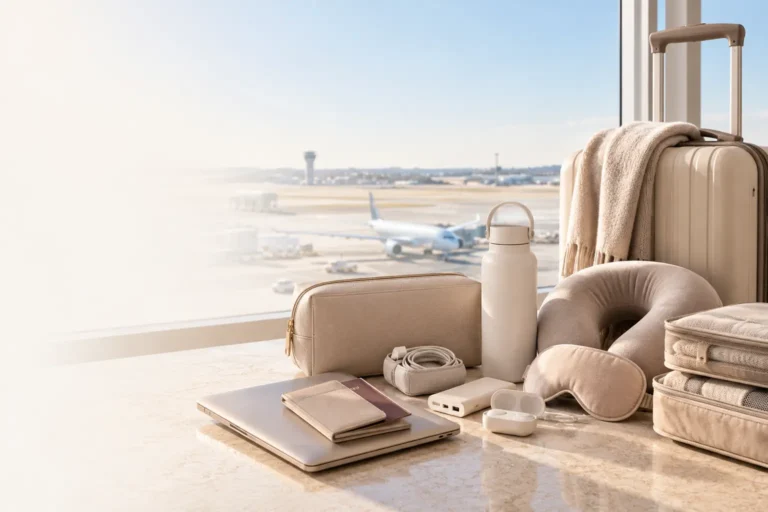
Your carry-on, also called hand luggage or cabin baggage, travels with you in the aircraft cabin and is usually stored in the overhead bin. It’s ideal for valuables, electronics, medication and anything you may need if your checked bag gets delayed. Airlines have their own size and weight limits, so always check your allowance before flying.
Checked luggage is handed over at check-in or bag drop and transported in the aircraft’s cargo hold. This is where most of your clothes, shoes, full-size toiletries and other larger items can go. Checked baggage has a much higher weight allowance than cabin baggage, but there are still items that are prohibited — and some things you should never put in your checked bag even if technically permitted.
Quick tip: Your baggage allowance depends on the airline, fare and route. Always check your airline’s current baggage rules before packing, especially when it comes to size, weight, batteries and restricted items.
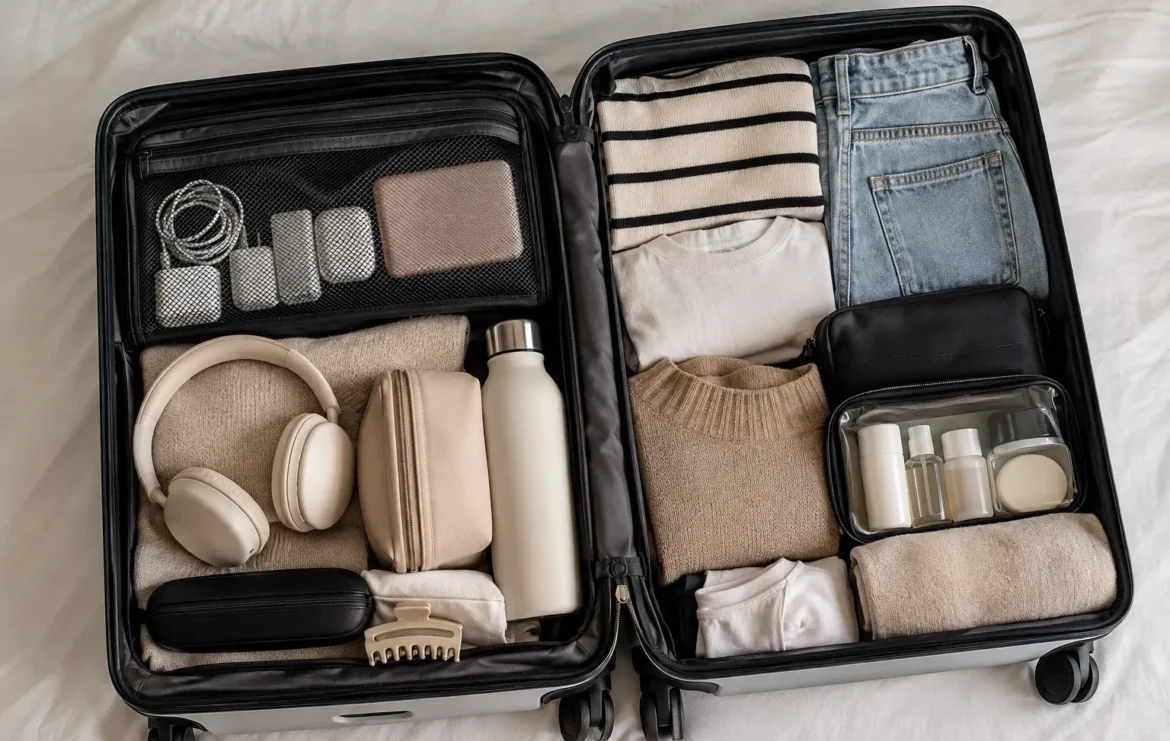
Image: AI generated and for illustrative purposes only
02 — What Should Always Go In Your Carry-On — And What Doesn’t ?
Some things are simply too important to put in your checked luggage. Your carry-on should contain everything you can’t easily replace or would need if your checked bag is delayed or lost.
✓ Pack in Your Carry-On
Passport & Travel Documents
Keep your passport, ID, boarding pass and other important travel documents with you at all times. Never place documents you need for your journey in your checked luggage.
Medication
Essential medication should stay in your carry-on, especially anything you may need during the flight or shortly after arrival.
Valuables
Cash, credit cards, jewelry, keys and sentimental items are safest with you rather than in your checked suitcase.
Electronics
Laptops, tablets, cameras and other valuable electronics are best kept in your carry-on to protect them from damage or loss.
Power Banks & Spare Batteries
Power banks and spare lithium batteries generally must travel in your carry-on and are not permitted in checked luggage. Capacity limits may apply.
Chargers & Cables
Keep your most important chargers with you so you can still use your devices if your checked luggage is delayed.
A Change of Clothes
One fresh outfit, underwear and a few basic essentials can be a lifesaver if your checked suitcase doesn’t arrive with you.
Essential Toiletries
Bring the toiletries you’ll need during your journey or first night, while following the liquid restrictions at your departure airport.
✕ Don’t Pack These in Your Carry-On
Large Liquids
Full-size toiletries and other liquids above the applicable security limit usually need to go into your checked luggage.
Sharp Objects
Knives and many other sharp objects aren’t permitted in cabin baggage. Rules for scissors, razors and similar items depend on their type and size.
Certain Tools
Larger tools and objects that could potentially cause injury generally aren’t allowed through passenger security.
Certain Sports Equipment
Items such as golf clubs and baseball bats generally need to travel as checked baggage rather than in the cabin.
Dangerous & Flammable Items
Some hazardous items are prohibited entirely — meaning they can’t simply be moved to your checked suitcase.
Important: Security and baggage rules can vary by country, airport, airline and item. Always check the official requirements for your specific journey.
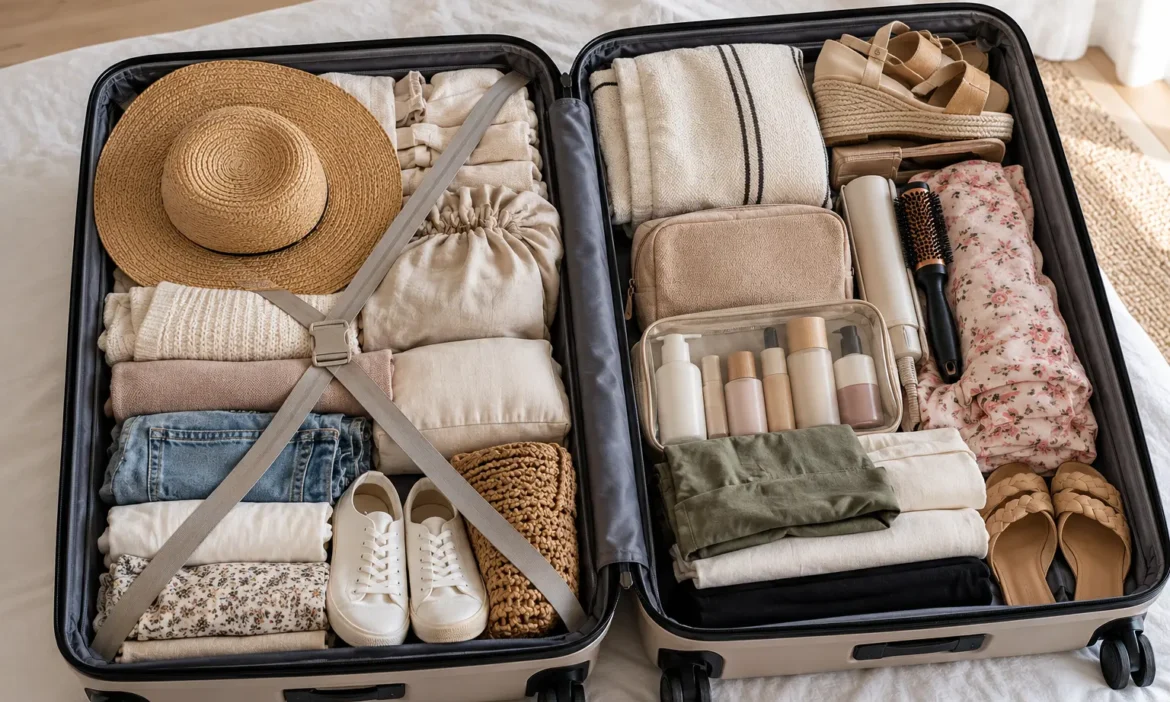
Image: AI generated and for illustrative purposes only
03 — What Should Go In Your Checked Luggage?
Your checked luggage is the best place for larger, heavier and non-essential items you won’t need during the flight. It’s also where many items that aren’t allowed through security in your carry-on can be packed
Clothes
Most of your clothing can go straight into your checked suitcase. Keep only a change of clothes and anything you’ll immediately need after landing in your carry-on.
Shoes
Extra shoes are usually better packed in your checked luggage since they take up quite a bit of space. Use shoe bags to keep them separate from your clean clothes.
Full-Size Toiletries
Shampoo, conditioner, body wash, lotions and other larger liquid products are generally much easier to pack in checked luggage. This means you don’t have to worry about the carry-on liquid limits at airport security.
Makeup & Beauty Products
Larger beauty products and liquids can go into your checked bag. However, I’d keep expensive or hard-to-replace products with you whenever cabin baggage rules allow.
Hair Tools
Standard plug-in hair dryers, curling irons and straighteners can generally be packed in checked luggage. Cordless or battery-powered versions can have different restrictions, so check the airline rules before packing them.
Sharp Objects
Items such as larger scissors and certain grooming tools that may not be permitted through passenger security can sometimes travel in checked luggage. Rules vary by item and destination, so always check before packing anything sharp.
Bulky Items
Jackets, extra bags, larger accessories and anything else that takes up unnecessary space in your cabin bag can usually go into your checked suitcase.
Liquids & Souvenirs
Large bottles, cosmetics and other liquids purchased during your trip can usually travel in checked baggage, subject to customs, dangerous-goods and airline restrictions. Pack bottles carefully to protect them from leaking or breaking.
My Tip: Use your checked luggage for things that are replaceable and that you won’t immediately need after landing. Keep valuables, essential medication, important documents and restricted batteries with you in the cabin.
AirTag for Checked Luggage
I always keep an AirTag inside my checked suitcase so I can track its location while traveling. It’s especially helpful if my luggage doesn’t arrive at baggage claim, as I can quickly check where my suitcase was last detected.
My Tip: Place the AirTag somewhere secure inside your suitcase rather than attaching it to the outside, where it could easily get lost or damaged. An AirTag doesn’t replace the airline’s official baggage tracking, but it gives me extra peace of mind when I travel.
— IMPORTANT —
Keep Electronics in Your Carry-On
Whenever possible, keep electronics such as laptops, tablets, cameras and other battery-powered devices in your carry-on.
Lithium batteries can overheat or, in rare cases, catch fire if they are damaged or malfunction. A problem in the cabin can be detected and dealt with much faster than one inside a checked suitcase in the cargo hold.
Power banks and spare lithium batteries must generally be carried in your cabin baggage and should never be packed in checked luggage. Always check your airline’s current battery restrictions before flying.
My Tip: Even when an electronic device is permitted in checked luggage, I recommend keeping it with you whenever possible — both for safety and to protect it from damage or loss.
04 — Carry-On or Checked? Quick Packing Guide
Not sure where something belongs? Here’s a quick overview of the most common travel items.
Item | Carry-On | Checked-Luggage |
|---|---|---|
Passport & Documents | ✓ | ✕ |
Medication | ✓ | - |
Cash & Credit Cards | ✓ | ✕ |
Jewelry & Valuables | ✓ | ✕ |
Laptop & Tablet | ✓ | - |
Camera | ✓ | - |
Power Bank | ✓ | ✕ |
Spare Lithium Batteries | ✓ | ✕ |
Chargers & Cables | ✓ | ✓ |
Clothes | ✓ | ✓ |
Shoes | ✓ | ✓ |
Full-Size Toiletries | ✕* | ✓ |
Travel-Size Liquids | ✓* | ✓ |
Makeup | ✓* | ✓ |
Perfume | ✓* | ✓ |
Hair Straightener | ✓ | ✓ |
Curling Iron | ✓ | ✓ |
E-Cigarettes / Vapes | ✓ | ✕ |
Loose Razor Blades | ✕ | ✓* |
Large Scissors / Sharp Objects | ✕* | ✓* |
*Always check before you pack: Liquid limits, sharp objects, batteries and certain electronic or beauty devices can be subject to different rules depending on your departure airport, airline and destination.
The easiest rule to remember:
Valuable, essential or battery-powered? → Carry-On.
Large, bulky or full-size liquids? → Checked Luggage.
05 — How I Pack My Luggage
After countless flights, I’ve learned that how you divide your belongings between your carry-on and checked luggage can make traveling so much easier. I always pack with one thing in mind: What would I need if my checked bag didn’t arrive with me?
In My Carry-On
I keep my passport, wallet, medication, valuables, electronics, chargers and other essentials with me in the cabin. I also pack a small toiletry bag and at least one change of clothes, especially on long-haul flights or trips with connections.
Power Bank Tip: A power bank always stays with me in the cabin — never in my checked luggage. Many airlines now also require power banks to remain easily accessible and not stored in the overhead bin, so make sure to check your airline’s current rules before flying.
In My Checked Luggage
My checked suitcase is mainly for clothes, shoes, full-size toiletries, beauty products and anything bulky that I won’t need until I reach my destination.
One Thing I Always Do: I never pack my checked suitcase completely full. Leaving a little extra space makes repacking easier and gives me room for shopping and souvenirs on the way home.
My Flight Attendant Tip:
Always pack your carry-on with the possibility of delayed luggage in mind. Keep everything you’ll need for your first 24 hours with you, just in case your checked bag doesn’t arrive on time.
06 — Shop My Travel Essentials
*Affiliate Disclosure:
Some of the links below are affiliate links. If you purchase through one of them, I may earn a commission at no extra cost to you. As an Amazon Associate, I earn from qualifying purchases.
07 — Final Tips Before You Fly
Before heading to the airport, take a few minutes to double-check your luggage. Baggage and security rules can vary between airlines, airports and countries — especially when it comes to liquids, batteries, electronics and restricted items.
Check your airline’s current baggage allowance, make sure your carry-on meets the size and weight requirements, and keep anything valuable or essential with you in the cabin.
And remember: when in doubt, check before you pack. It’s much easier to reorganize your luggage at home than at airport security.
Safe travels!